The Birth of an American Icon
In the roaring 1920s, the American automotive industry was in its nascent stage, bustling with innovation and competition. It was during this vibrant period that Walter Chrysler, a visionary with a passion for engineering and business acumen, founded the Chrysler Corporation in 1925. Walter, who had previously revitalized the ailing Maxwell Motor Company, saw an opportunity to create a brand that would stand for quality and affordability. Chrysler's inception marked the beginning of a legacy that would intertwine deeply with American automotive culture.
Key Milestones in Chrysler's Journey
Chrysler's journey through the decades is marked by significant milestones that have shaped its identity. One of its earliest achievements was the introduction of the Chrysler Six in 1924, even before the official founding of the company. This model was revolutionary for its time, featuring advanced engineering like four-wheel hydraulic brakes, setting a new standard for automotive safety and performance.
The 1950s and 1960s were particularly transformative for Chrysler. During this era, the company introduced the iconic "Forward Look" design, characterized by sleek fins and bold lines that captured the essence of mid-century modern design. Models like the Chrysler 300 became symbols of luxury and performance, earning the nickname "the letter series" for their innovative engineering and powerful engines.
One cannot discuss Chrysler's milestones without mentioning the invention of the modern minivan in 1984. The Chrysler Town & Country, along with its siblings, the Dodge Caravan and Plymouth Voyager, revolutionized family transportation. This innovation not only filled a gap in the market but also cemented Chrysler's reputation as a pioneer in versatile vehicle design.
A Storied Presence in the U.S. Market
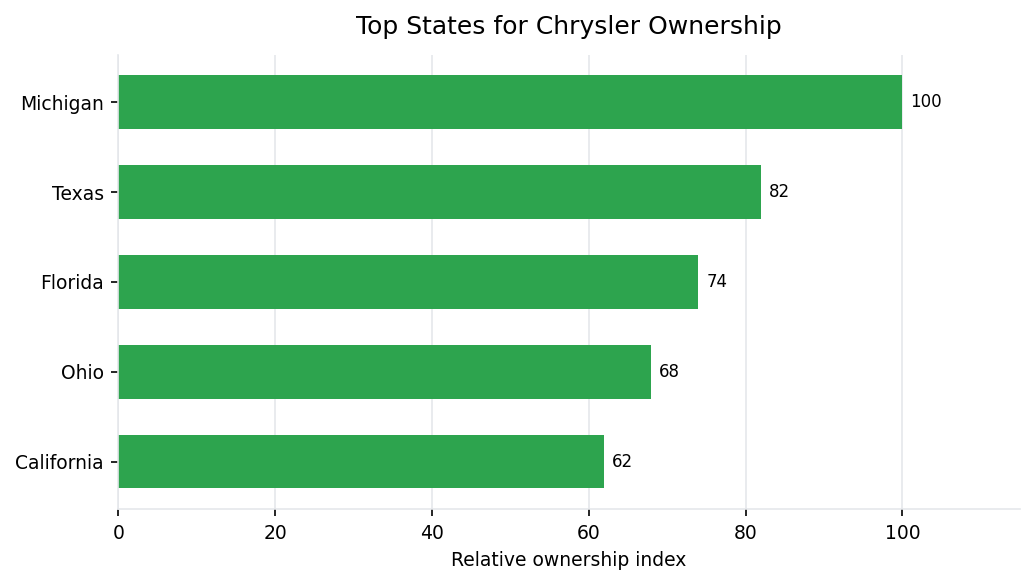
Chrysler's influence in the U.S. automotive market is profound. Headquartered in the heart of Detroit, the company has been a cornerstone of American automotive manufacturing. The Motor City's rich heritage is intertwined with Chrysler's history, contributing to Detroit's nickname as the automotive capital of the world.
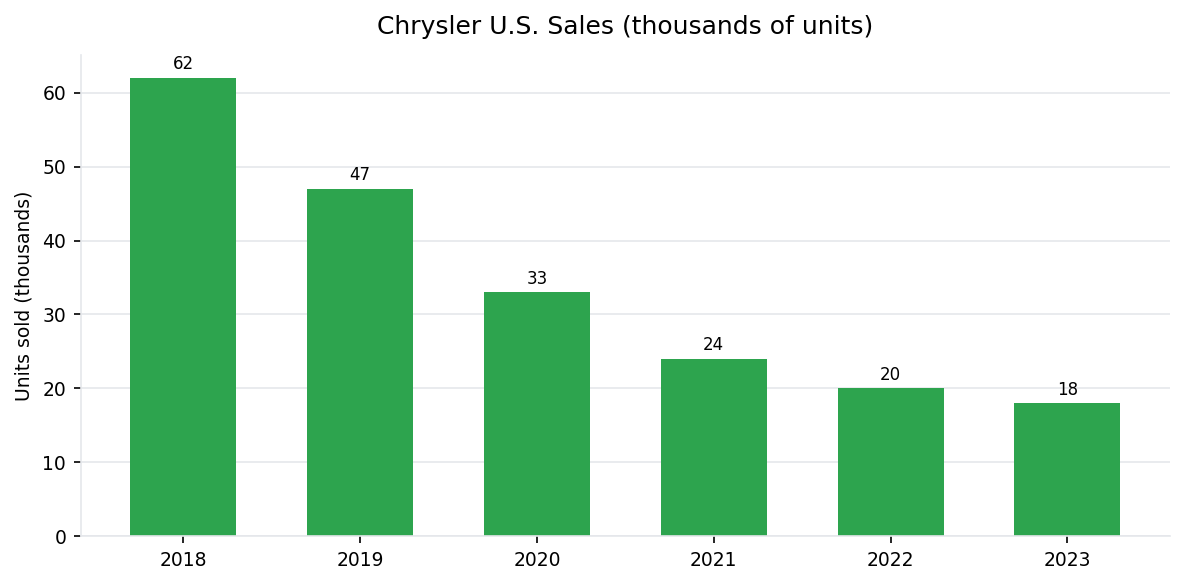
Despite facing numerous challenges, including economic downturns and increased competition from foreign automakers, Chrysler has maintained a significant presence in the U.S. market. The company's ability to adapt and innovate has allowed it to survive and thrive through the decades, even as its lineup has evolved and contracted.
In recent years, Chrysler's lineup has become more focused, particularly after its merger with Fiat to form Stellantis in 2021. This merger has opened new avenues for the brand, promising a future that blends American heritage with global innovation.
Notable Models That Made History
Throughout its history, Chrysler has produced models that have left an indelible mark on the automotive landscape. The Chrysler 300, first introduced in 1955, is one such model. Known for its high performance and luxury, the 300 series set the benchmark for American sedans and continues to be a symbol of power and elegance.
The Chrysler Pacifica, the modern successor to the original minivan concept, has redefined family transportation with its innovative features and hybrid technology. It represents the brand's commitment to evolving with consumer needs while maintaining its legacy of practicality and comfort.
Another noteworthy model is the Chrysler PT Cruiser. Introduced in the early 2000s, its retro design captured the public's imagination, becoming a cultural icon of its time. This model exemplified Chrysler's willingness to take design risks and stand out in a crowded marketplace.
Interesting Facts and Surprises
Chrysler's history is peppered with fascinating anecdotes and achievements. For instance, during World War II, the company played a crucial role in the war effort by producing military vehicles and machinery. This contribution not only demonstrated Chrysler's industrial capabilities but also its patriotic commitment to the nation.
An interesting tidbit about Chrysler is its pioneering use of technology. The company was among the first to introduce electronic fuel injection in the 1950s, a technology that is now standard in modern vehicles. This forward-thinking approach has been a hallmark of Chrysler's philosophy, always aiming to push the boundaries of automotive engineering.
Moreover, Chrysler's influence extends beyond cars. The Chrysler Building in New York City, an Art Deco masterpiece completed in 1930, remains an architectural marvel and a testament to the brand's impact on American culture and industry.
Before You Buy a Used Chrysler
Run the VIN through our free VIN decoder to confirm what the car was when it left the factory (model, model year, engine and assembly plant, from NHTSA's vPIC database) and to see NHTSA safety recalls for that model year. The Chrysler model pages on this site add owner complaints, service bulletins, defect investigations, EPA fuel economy and crash ratings where NHTSA publishes them. We don't provide vehicle history reports, so accidents, title brands and odometer readings aren't part of the lookup. For title brands, the federal NMVTIS program is the official source, and an independent mechanic's pre-purchase inspection is worth the cost.