Ferrari 488 VIN Number Check

Decode a Ferrari 488 VIN free with NHTSA vPIC. See the NHTSA recalls for that model year, then read what owners have reported.

VIN prefixZFF

Free decode plus the NHTSA recalls for its model year. 17 characters, no I, O or Q.

Vinny, the VinNumber key mascot
Ferrari 488

About the Ferrari 488

Ferrari sold the 488 in the US for model years 2016–2020. Across those years NHTSA lists 7 vehicle recall campaigns and 10 owner complaints. EPA rates it at 17–18 mpg combined. A free VIN decode gives you NHTSA vPIC’s record for the car (model year, engine, plant) and the NHTSA recalls for its model year. It won’t show theft, flood or lemon-law history.

US model years2016–2020
EPA classTwo Seaters
NHTSA recall campaigns7
Owner complaints10 at NHTSA
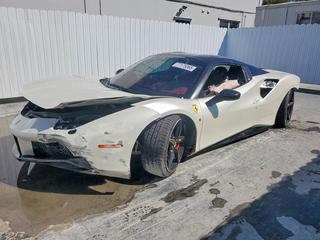
Ferrari 488 photographed at a US vehicle auction
Auction lot photo, for illustration
Generations

Ferrari 488 at a glance

One generation in the data, 2016–2020: 7 NHTSA recall campaigns and 10 owner complaints.

1 / 1
488
2016–2020Two Seaters
Ferrari 488 (2016–2020)

Photo: Vauxford, CC BY-SA 4.0, via Wikimedia Commons

20162020
2016–2020

Ferrari 488

EPA classTwo Seaters
EPA combined mpg17–18
NHTSA recalls7

Engines (EPA)

  • 3.9 L 8-cyl (turbo) · 2016–2020

Drive & transmission (EPA)

  • RWD
  • automated manual/dual-clutch (2016–2020)

Known issues to check

Brakes (5)Air bags (3)Visibility (glass, wipers, mirrors) (1)3 high-risk recall campaigns

Mentions in 10 NHTSA complaints.

Sample VIN pattern · 488ZFF79ALA?H0······NHTSA vPIC decodes it as a 2017 Ferrari 488, built in Maranello, Emilia-Romagna
Check a 488 VIN

Sources: EPA · NHTSA · vPIC

NHTSA campaign data

Which 488 model years each recall covers

NHTSA data

NHTSA has 7 campaigns on file for 488 model years 2016–2020, and the 2016 shows up in more of them than any other year (5), ahead of the 2018 (4). Move the line to your model year to see which apply.

2016
Air bag inflator, fire risk or do-not-drive/park-outside advisorySafety recall
Pick a row
What to ask

Source: NHTSA recall database, vehicle campaigns only; row text is NHTSA’s summary. A listed year does not mean every car is covered, so check the VIN.

Transport Canada recalls for these model years were checked against this list; each one matches an NHTSA campaign shown here. Contains information licensed under the Open Government Licence – Canada · Transport Canada.

Owner reports · NHTSA complaints

What Ferrari 488 owners report

NHTSA data

Between them, the 2017 and 2018 hold 7 of the 10 complaints, or 70%. Tap any bar or generation.

10NHTSA complaints, 2016–2020
2mention a crash
0mention a fire
3injuries reported
Owner complaints by model year488: 10 complaints · most for the 2017 (4)

Counts: NHTSA complaints file, records to October 1, 2026, one count per complaint; areas are NHTSA component groups.

Owner complaints · by model year

488 complaint breakdown by model year

NHTSA data

Every 488 version is counted together. Tap a year to see its top systems.

10complaints, 2016–2020
2mention a crash
0mention a fire
3injuries reported
Most complaints: 2017 (4), 2018 (3), 2016 (2)
2’164’173’18

2017 · 4 complaints

Crashes 1 · fires 0 · injuries 2

Service brakes2
Air bags1
Visibility/wiper1

Systems as NHTSA names them; a complaint can list several. Source: NHTSA complaints data, records to October 1, 2026.

EPA fuel economy & emissions

488 CO₂, smog rating and yearly fuel cost

EPA data

EPA lists 20 488 versions for model years 2016–2020. The lowest tailpipe CO₂ is 495 g/mi (2019). Pick a model year and powertrain to see each version.

4882016–2020

17–18 mpg · CO₂ 495–531 g/mi

2019
18combined MPG
495CO₂ grams per mile (tailpipe)
$4,550EPA yearly fuel cost
3/10Smog rating
1 = worst · 10 = cleanest
3/10Greenhouse gas rating
California LEV-III ULEV125 · Federal Tier 3 Bin 125Emission standard
Cleanest gas version of 2019: GTB · Auto (AM7), 8 cyl, 3.9 L, Turbo — 18 MPG · 495 g/mi
Best (lowest) CO₂ by model year
40045050055060020202016 · Gas: 4972017 · Gas: 4952018 · Gas: 4952019 · Gas: 4952020 · Gas: 524
Gas

Annual fuel cost is EPA’s estimate at its current fuel-price assumptions (15,000 miles a year, 55% city driving), so older years are priced at today’s fuel prices. Smog rating and emission standard can differ by sales area (federal vs. California); both are shown. Source: fueleconomy.gov.

Ferrari 488 VIN number location

Where to find the VIN on a 488

Tap a spot. Every location should show the same 17 characters.

Red Ferrari 488 (2016-2020 generation) spider (roof up), front three-quarter view, with the VIN locations marked

Photo: Hans Haase, CC BY-SA 3.0, cropped

Illustration: VinNumber.net

Photo: Vauxford, CC BY-SA 4.0; edited and VIN pins added by VinNumber.net

The 488's mid-engine layout shifts the firewall stamp to the rear engine bay rather than a front firewall. Primary VIN plate sits at the base of the driver's side windshield. Door sill label and door jamb sticker complete the standard set. The firewall stamp sits near the rear engine bay; check it against the dashboard plate.

  1. Windshield plateRead it through the glass at the base of the driver's side windshield.
    Source: 49 CFR 565.13(f) (NHTSA): VIN inside the passenger compartment, readable through the glazing next to the left windshield pillar
  2. Door jamb labelOpen the driver's door: the certification label on the B-pillar lists the VIN.
    Source: 49 CFR 567.4 (NHTSA): certification label with VIN at the driver door hinge pillar, latch post or door edge
The title, registration and insurance card show the VIN as well. All locations should match.
FAQ

Common Ferrari 488 VIN questions

How many recalls has the Ferrari 488 had?

NHTSA’s recall records show 7 vehicle campaigns for model years 2016–2020, leaving out equipment and tire campaigns.

Which Ferrari 488 recalls are high risk?

19V-006 covers an air bag inflator module and how it deploys. NHTSA’s record names a fire risk in 15V-881 and 19V-090. Each should show as closed on a VIN check.

What fuel economy does the Ferrari 488 get?

It varies. EPA rates the 2016–2020 488 at 17–18 mpg combined, depending on engine and drive (fueleconomy.gov).