About Ram VIN Numbers
Ram trucks are assembled in Sterling Heights and Warren, Michigan, carrying VIN prefixes of 1C6 and 3C6 for most pickup configurations. Heavy-duty 2500 and 3500 models carry the same prefix family. Ram 1500 trucks are among the most traded used vehicles in the country, and VIN checks on Ram trucks frequently surface flood damage claims from southern states and accident records from commercial fleet use.
Ram vehicles manufactured for the US market carry VIN prefixes of 1C6, 3C6, 3D7. The VIN number encodes the country of manufacture (USA), production plant, vehicle line, body style, engine type, model year, and a unique production sequence number.
What a Ram VIN Number Check Reveals
- Accident and collision history
- Odometer readings across all states
- Open safety recall status from NHTSA
- Title brands (salvage, flood, lemon law)
- Theft and recovery records
- Lien and ownership history
- Structural and frame damage reports
- Prior use (fleet, rental, taxi, auction)
About Ram
A Brand Born in the Recession
In 2009, a significant shift occurred in the automotive industry when Chrysler decided to spin off Ram as a standalone brand, separating it from Dodge. This decision came during the throes of the Great Recession, a time when the company sought to redefine its identity and streamline its offerings. The move allowed Dodge to focus on performance cars, while Ram honed in on trucks and commercial vehicles. This strategic decision marked a pivotal moment for the brand, setting it on a path to become a key player in the truck segment.
Before gaining its independence, Ram had been part of Dodge since 1981. Over nearly three decades, it had built a loyal following, largely due to its rugged builds and steady performance. The Dodge Ram trucks were known for their durability and strength, traits that would continue to define the Ram brand post-2009.
Building a Reputation: The 1500's Rise
The Ram 1500, a key model in the lineup, quickly garnered attention and accolades. Known for its mix of capability and comfort, the 1500 established itself as a leader in the half-ton pickup segment. The truck won the Motor Trend Truck of the Year award multiple times, a testament to its innovation and quality. Notably, it claimed the title in 2013 and again in 2014, showcasing consistent excellence in design and engineering.
Ram's trim names, such as "Big Horn" and "Laramie," became synonymous with high-end features and added luxury. These trims provided customers with an array of options, from functional workhorse models to luxury-laden trucks equipped with leather interiors and advanced technology. The attention to detail and variety helped cement the Ram 1500 as a top choice for both work and leisure.
Heavy Haulers and Diesel Options
Beyond the 1500, Ram also excelled in the heavy-duty truck market with its 2500 and 3500 models. These trucks were designed for serious towing and commercial use, often boasting impressive towing capacities that appealed to those in construction, agriculture, and other industries requiring heavy hauling capabilities. The Ram Heavy Duty lineup offered robust engine options, including the Cummins diesel, known for its torque and reliability.
The introduction of the EcoDiesel engine option in the Ram 1500 further bolstered the lineup's appeal. This engine provided a balance of power and fuel efficiency, attracting buyers who needed a capable truck without sacrificing fuel economy. It was particularly popular among those who used their trucks for both work and personal use, offering a versatile solution to trucking needs.
Ram's Modern Lineup
Today, Ram continues to innovate and expand its lineup, catering to a diverse customer base. The brand's offerings now include the powerful TRX, a performance truck built to rival off-road giants. The Ram TRX is packed with a supercharged engine, providing a thrilling driving experience both on and off the road. Its beefy suspension and high ground clearance make it a formidable contender in the performance truck arena.
In addition to trucks, Ram's ProMaster van lineup serves the commercial sector, offering customizable options for businesses ranging from delivery services to mobile workshops. These vans are built for utility, with ample cargo space and various configurations that can be tailored to specific business needs.
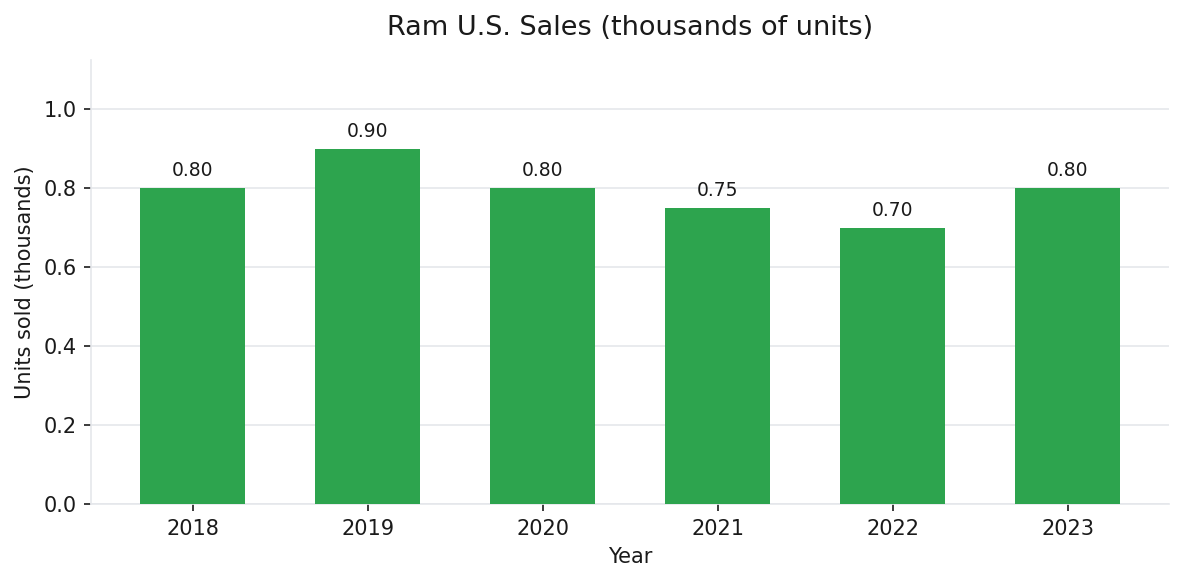
Despite fierce competition from industry stalwarts like the Ford F-Series and Chevrolet Silverado, Ram has consistently held its ground, maintaining a strong second-place position in the truck market. The Silverado, a long-time rival, continually pushes Ram to innovate, keeping the competition healthy and ensuring that customers benefit from advanced features and improved performance with each new model.
Why VIN History Matters for Ram Buyers
For those considering a used Ram truck, understanding its history is crucial. Ram trucks are often used for commercial purposes and heavy towing, which can lead to hidden stress, transmission wear, and frame issues that might not be immediately apparent. Checking the VIN history can reveal important information about past ownership, accident history, and maintenance records, helping buyers make an informed decision. As such, prospective buyers should always prioritize obtaining a detailed VIN history report to ensure the truck's reliability and longevity.
```