BMW 3 Series VIN Number Check

VIN prefix: WBA, WBS, WBY, 4US, 5UX

Before buying a used BMW 3 Series, run the VIN — title brands, accidents, and fleet history.

About the BMW 3 Series

BMW 3 Series at auction
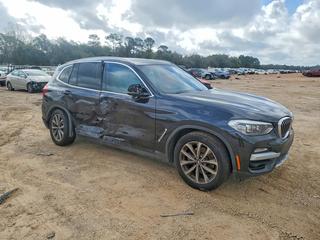
View Real Auction Photos — BMW 3 Series

Title washing from salvage status occurs at notably elevated rates on BMW 3 Series vehicles, particularly higher-trim and M-Sport variants where the value spread makes the fraud profitable. As BMW's global best-seller since 1975, the used 3 Series market also shows high volumes of lease returns with cosmetic damage and deferred service—issues that may not appear unless buyers run comprehensive VIN reports.

A VIN number lookup on this BMW 3 Series includes real high-resolution auction photos sourced directly from Copart and IAAI, the largest salvage auction operators in the United States.

What a BMW 3 Series VIN Check Reveals

A VIN number check on any BMW 3 Series pulls records from state DMV offices, NHTSA databases, insurance industry filings, and salvage auction records across all 50 states. The report covers the following data categories:

  • Accident and collision history
  • Full odometer timeline
  • Open safety recalls from NHTSA
  • Title brands (salvage, flood, lemon law, total loss)
  • Theft and recovery records
  • Lien and ownership history
  • Structural and frame damage
  • Airbag deployment records
  • State inspection history
  • Prior vehicle use (fleet, rental, taxi, auction)

BMW 3 Series VIN Number Location

Where to find the VIN on a 3 Series

BMW placed the 3 Series VIN on a plate at the lower driver's side windshield and also in the engine bay near the strut tower. The driver's door jamb sticker and a trunk lid label complete the standard locations. Salvage-rebuilt 3 Series vehicles are common in the US market due to European repair cost thresholds, many acquire US salvage titles after being imported as insurance write-offs. Verify the strut tower stamp in the engine bay, which is rarely disturbed in cosmetic repairs.

The VIN also appears on the vehicle registration, insurance documents, and title. All locations should match. A mismatch between VIN plates is a potential indicator of a rebuilt or salvage vehicle.

Common Issues Found in VIN Reports for the BMW 3 Series

VIN history reports on used BMW 3 Series vehicles frequently show accident and collision claims, title discrepancies, and odometer irregularities. Any open NHTSA recall notices tied to the specific VIN will appear in the report, along with the recall completion status where that data is available.

BMW vehicles carrying a VIN prefix of WBA, WBS, WBY, 4US, 5UX are traceable through all 50 state DMV systems and the National Motor Vehicle Title Information System (NMVTIS). Coverage for vehicles registered after 1990 is generally comprehensive.

NHTSA Safety Recalls

BMW 3 Series — last 3 model years

Loading NHTSA recall data…

What 3 Series owners report across recent generations

2019–present (7th generation, G20)

Complaint counts are modest and CarComplaints has no reports for this generation, so the data is thin. The 2020 draws the most complaints, and about two thirds of NHTSA owners of the 2020 M340i describe engine oil pump failures, while some 330i owners report starter faults. A G20 Bimmerpost thread discusses the plastic oil pump parts on some 2020 cars, though several members call failures rare. Recalls cover starters on some 2020 models that may overheat after repeated start attempts, seat belt buckles on 2020 models and tie rods on some 2019–2020 xDrive and M340i models. [1] [2] [3]

2012–2018 (6th generation, F30)

The 2013 and 2014 draw the most complaints. NHTSA owners of the 2013 328i most often describe timing chain failures, electric coolant pump failures and loss of brake assist, while owners of the 2014 328d diesel report EGR, injector and high pressure fuel pump failures. CarComplaints lists fuel pump failure, battery and alternator problems and defective wheels for 2013, a seized engine from the timing chain, water leaks and an exploding moonroof for 2014, and injection pump failure for the 2014 328d. Recalls cover brake vacuum pumps on 2012–2014 models, coolant pumps on 2012–2016 models and diesel EGR coolers. [4] [5] [6] [7] [8]

2006–2011 (5th generation, E90)

The 2006 and 2007 draw the most complaints. NHTSA owners of the 2006 most often describe passenger occupant sensor faults that switch off the air bag, while owners of the 2007 report central locking failures, electric steering lock warnings and fuel pump problems that cause stalling. CarComplaints lists electric water pump failure for the 2007 328i, turbo failure and overheating for the 2007 335i, a broken belt for the 2008 335i, and oil leaks and a spun rod bearing for the 2011 328i. Recalls cover passenger seat sensors on 2006 models, PCV valve heaters on 2006–2011 models that may start a fire, and VANOS bolts on 2010–2011 models. [9] [10] [11] [12] [13] [14]

What to check before buying

Run the VIN through the NHTSA recall lookup, including the coolant pump, PCV valve heater, starter and EGR cooler recalls that apply to each generation. Ask for timing chain, water pump and oil pump repair records. On the drive, watch for oil pressure, coolant and drivetrain warnings, listen for rattling at a cold start, and check that the brakes feel firm.

Check Another BMW Model