About Mazda VIN Numbers
Mazda vehicles sold in the US carry VIN prefixes of JM1 for cars and JM3 for SUVs and crossovers. CX-5 and Mazda3 are the most traded used Mazda models. A VIN check on any Mazda reveals accident history, title brands, recall status from NHTSA, and odometer readings filed in all states where the vehicle was registered.
Mazda vehicles manufactured for the US market carry VIN prefixes of JM1, JM3, 3MZ. The VIN number encodes the country of manufacture (Japan), production plant, vehicle line, body style, engine type, model year, and a unique production sequence number.
What a Mazda VIN Number Check Reveals
- Accident and collision history
- Odometer readings across all states
- Open safety recall status from NHTSA
- Title brands (salvage, flood, lemon law)
- Theft and recovery records
- Lien and ownership history
- Structural and frame damage reports
- Prior use (fleet, rental, taxi, auction)
About Mazda
A Journey Through Time: The Story of Mazda
In the landscape of automotive history, Mazda stands out as a brand that has constantly embraced innovation while maintaining an eye on tradition. Established in 1920 in Hiroshima, Japan, Mazda began its journey under the name Toyo Cork Kogyo Co., Ltd., initially producing machine tools. It wasn't until 1931 that the company ventured into the realm of vehicles with the Mazda-Go, a three-wheeled truck. The company adopted its current name, Mazda, in 1984, a nod to the Zoroastrian god of wisdom, Ahura Mazda, and an evocative symbol of its aspiration for enlightenment and progress.
Key Milestones in Mazda's Evolution
The annals of automotive history are peppered with significant milestones that have shaped Mazda's identity. One of the most groundbreaking developments was the introduction of the rotary Wankel engine in the 1960s. This innovative engine design, characterized by its compact size and smooth power delivery, propelled Mazda to the forefront of automotive engineering. The 1967 Cosmo Sport 110S was the first production car to feature this engine, marking the beginning of a legacy that would span decades.
Another pivotal moment came in 1989 with the launch of the Mazda MX-5 Miata. This lightweight sports car, embodying the brand's "zoom-zoom" philosophy, quickly captured the hearts of driving enthusiasts around the world. Its perfect balance of performance and affordability earned it a place in the Guinness World Records as the best-selling two-seater sports car, a title it holds to this day.
In recent years, Mazda has embraced the "KODO: Soul of Motion" design language, which emphasizes dynamic styling and craftsmanship. This design philosophy has been instrumental in the success of models like the Mazda3 and CX-5, the latter becoming the brand's bestseller worldwide.
Conquering the American Market
Mazda made its entry into the United States in 1970, a market that would become crucial to its global strategy. The RX-7, introduced in 1978, was a game-changer for Mazda in the U.S., thanks to its rotary engine and sporty appeal. The success of the RX-7 laid the groundwork for future models, including the beloved Miata.
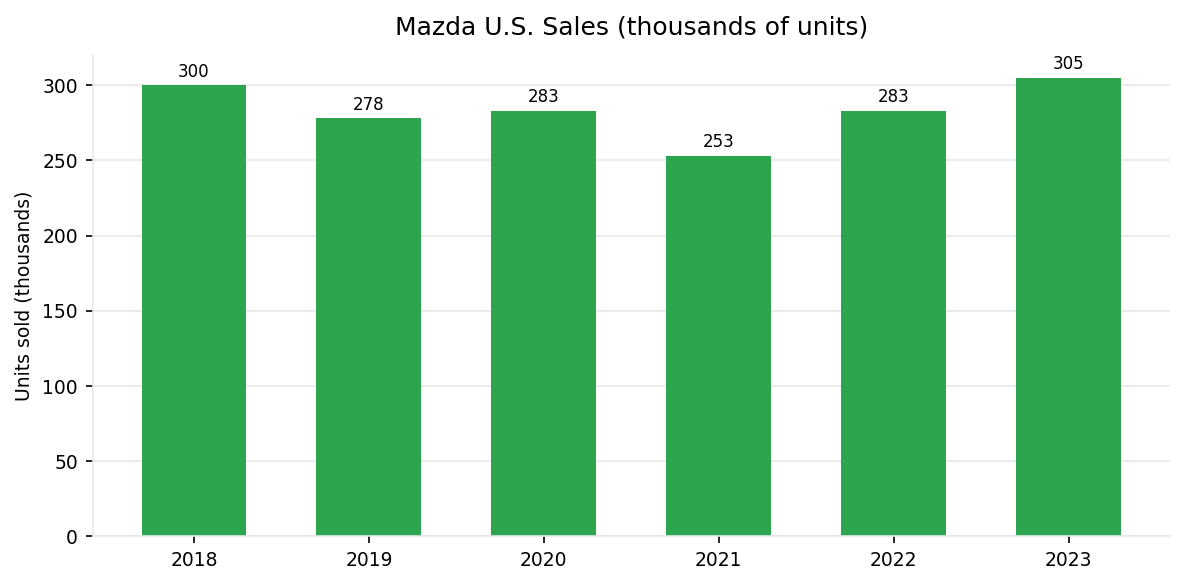
Despite facing challenges such as economic downturns and shifts in consumer preferences, Mazda has consistently adapted its offerings to meet the demands of the American market. Its focus on fuel-efficient yet engaging vehicles has resonated well with U.S. consumers, helping the brand maintain a steady presence.
Models That Made a Difference
While the Miata and RX-7 are among the most recognizable names in Mazda's lineup, several other models have played significant roles in the brand's history. The Mazda6, known for its sleek design and engaging drive, has been a strong contender in the midsize sedan segment. The CX-5, with its blend of practicality and style, has been pivotal in Mazda's success, especially in the SUV-dominated U.S. market.
Moreover, the Mazda3 has earned acclaim for its innovative engineering and premium feel, setting a benchmark in the compact car segment. These models underscore Mazda's commitment to delivering vehicles that not only meet but exceed customer expectations.
Unexpected Tidbits and Trivia
While Mazda is celebrated for its engineering prowess and design excellence, there are several lesser-known aspects of the brand that are just as intriguing. For instance, Mazda holds a unique place in motorsport history as the only Japanese automaker to win the 24 Hours of Le Mans, a feat achieved in 1991 with the rotary-powered 787B.
Another interesting fact is Mazda's commitment to preserving the rotary engine. Despite discontinuing its production in mainstream models, the company has continued to explore its potential, hinting at a possible resurrection in future vehicles.
The Importance of a VIN History Check for Used Mazdas
When considering a used Mazda, running a VIN history check is an essential step that can save buyers from potential pitfalls. Given Mazda's innovative engineering, particularly with models featuring the rotary engine, understanding a vehicle's history is crucial. A VIN check can reveal recall history, which is vital for addressing any unresolved safety issues. It can also uncover odometer fraud, ensuring that the mileage aligns with the vehicle's actual usage.
Furthermore, a VIN history check can provide insights into past accidents or specific model issues, such as those related to the rotary engine's maintenance. By equipping yourself with this knowledge, you can make an informed decision and enjoy the unique driving experience that Mazda vehicles offer.