About BMW VIN Numbers
BMW vehicles manufactured in Germany begin with WBA for standard models and WBS for M-performance variants. US-assembled BMW X-series SUVs built in Spartanburg, South Carolina carry a 4US or 5UX prefix. High-performance BMW M models carry a significant premium on the used market, making VIN number checks on these vehicles important for identifying unreported track damage, salvage titles, and odometer manipulation.
BMW vehicles manufactured for the US market carry VIN prefixes of WBA, WBS, WBY, 4US, 5UX. The VIN number encodes the country of manufacture (Germany), production plant, vehicle line, body style, engine type, model year, and a unique production sequence number.
What a BMW VIN Number Check Reveals
- Accident and collision history
- Odometer readings across all states
- Open safety recall status from NHTSA
- Title brands (salvage, flood, lemon law)
- Theft and recovery records
- Lien and ownership history
- Structural and frame damage reports
- Prior use (fleet, rental, taxi, auction)
About BMW
Founded in 1916, BMW, or Bayerische Motoren Werke, initially found its footing in the production of aircraft engines. The origins of this renowned brand are deeply rooted in the sky, with its iconic blue and white logo symbolizing the spinning propellers of an aircraft against the Bavarian sky. Over the decades, BMW transitioned from the clouds to the roads, becoming a name synonymous with luxury, performance, and engineering excellence.
From Propellers to Pistons
Back in 1916, in the midst of World War I, BMW began its journey as a manufacturer of aircraft engines. After the war, with the Treaty of Versailles restricting Germany's aircraft production, BMW sought new directions. By 1923, they ventured into the world of motorcycles, launching the R32. This motorcycle laid the foundation for BMW’s engineering prowess, which would later be seen in their automobiles.
The leap to four wheels came in 1928 when BMW acquired Fahrzeugfabrik Eisenach, an automotive manufacturer. Their first car, the BMW 3/15, was unveiled soon after. However, the march towards becoming a leading car manufacturer was not without its challenges. During the Nazi era, BMW’s factories were turned towards the war effort, primarily producing aircraft engines for the German military.
Post-World War II, BMW faced significant setbacks. Allied bombings had destroyed much of their manufacturing capabilities. The company had to rebuild almost from scratch, facing both financial and infrastructural challenges. BMW relaunched itself into the automobile industry with models like the 501, nicknamed "Baroque Angel," which, despite its elegance, did little to stabilize the company financially.
The Car That Saved BMW
The 1960s brought a turning point for BMW. The introduction of the Neue Klasse, a line of compact sedans and coupes, marked a revival for the company. These cars were defined by their sporty handling, modern design, and innovative engineering. The success of the Neue Klasse laid the groundwork for future BMW models and was instrumental in establishing the brand as a leader in producing engaging, driver-focused vehicles.
Out of this evolution came the 3 Series in 1975, a car that would set the benchmark for sports sedans for nearly four decades. With its perfect blend of performance, practicality, and prestige, the 3 Series solidified BMW's reputation for creating the "Ultimate Driving Machine," a tagline that would become synonymous with the brand's commitment to delivering an exhilarating driving experience.
The M Division and Driving Pleasure
BMW's M Division, established in 1972, took the brand's performance to another level. Originally tasked with supporting BMW's racing program, the division eventually began producing high-performance versions of BMW models. The M3 and M5, born out of this division, became icons of refined power and driving thrill.
The M Division is celebrated for its ability to blend luxury with adrenaline-pumping performance. Each M car is meticulously engineered to deliver peak performance on the track while remaining comfortable and practical for everyday use. The division’s efforts have cemented BMW's place in the hearts of driving enthusiasts worldwide.
BMW in the United States
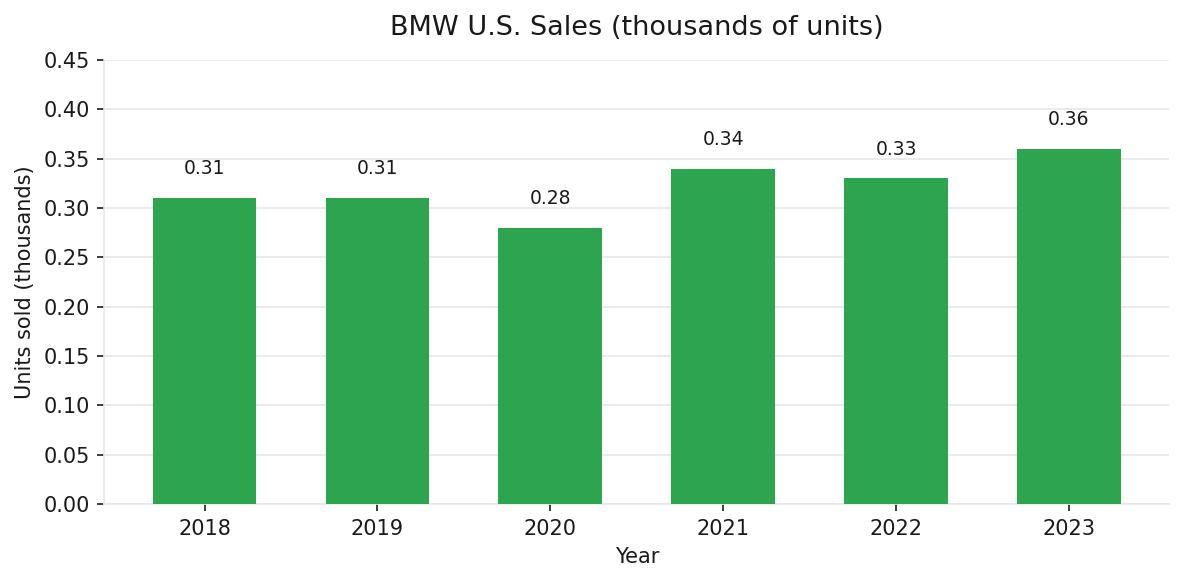
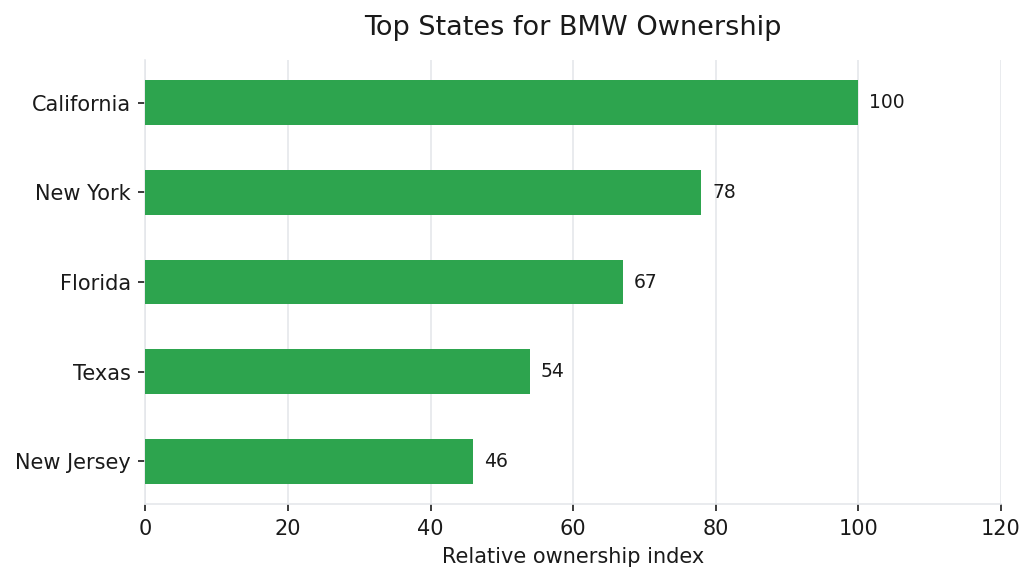
BMW's influence extends globally, with a significant presence in the United States. The introduction of the X5 in 1999 marked BMW's successful foray into the SUV market, which they aptly termed Sports Activity Vehicles. The X5 combined the brand's signature driving dynamics with the practicality and versatility of an SUV, paving the way for the proliferation of the X Series models.
The opening of the Spartanburg plant in South Carolina in 1994 was a strategic move that strengthened BMW's footprint in the American market. This facility has become the global hub for BMW's X models, producing the X3, X4, X5, X6, and X7. The plant not only caters to the growing demand for SUVs but also reflects BMW's commitment to innovation and sustainable manufacturing practices.
BMW has embraced the electric future with models like the i3 and i4, showcasing their dedication to sustainable mobility without compromising on the driving pleasure that BMW is known for. These electric models represent BMW's vision of combining luxury, performance, and environmental responsibility, ensuring that they remain at the forefront of automotive innovation.
Despite the shift towards electrification, BMW remains committed to its inline-6 engine configuration, a hallmark of the brand. Known for their smoothness and performance, BMW's inline-6 engines are a testament to their dedication to engineering excellence and driving pleasure.
Why VIN History Matters for BMW Buyers
Understanding a vehicle's past is crucial, especially when it comes to BMWs. These vehicles, known for their luxury and performance, are also infamous for their rapid depreciation. This depreciation makes used BMWs an attractive option for buyers seeking luxury at a more affordable price point. However, the allure of a used BMW can sometimes mask potential pitfalls.
Maintenance history is critical. Many used BMWs on the market may have deferred maintenance due to the high costs associated with repairs and upkeep. It's not uncommon to find examples that have skipped necessary services, leading to potentially expensive repairs down the line.
Obtaining a detailed Vehicle Identification Number (VIN) history can offer valuable insights. It helps buyers understand the car’s service history, accidents, ownership changes, and more. This information is vital in assessing whether the used BMW you are eyeing is a wise investment or a potential money pit.
In conclusion, whether you’re captivated by the brand's storied history, its commitment to performance, or its innovative leap into electric vehicles, BMW continues to embody a blend of luxury, engineering, and driving pleasure. However, as with any high-performance vehicle, due diligence is essential when purchasing a used model to ensure that you are not caught off guard by unexpected maintenance issues.