About Ford VIN Numbers
Ford is the best-selling vehicle brand in the United States and has held that position for over four decades. VIN numbers on Ford vehicles use three main prefixes: 1FA for passenger cars such as the Mustang and Fusion, 1FM for SUVs and crossovers including the Explorer, Escape, and Expedition, and 1FT for trucks across the F-Series, Ranger, and Transit lines. Canadian-assembled Fords substitute 2 as the first digit; Mexican-assembled models such as the Maverick use 3FM. A VIN number check on any Ford reveals its complete accident history, open recall status, title brands, and odometer readings filed across all 50 states.
Ford vehicles manufactured for the US market carry VIN prefixes of 1FA, 1FM, 1FT (US); 2FA, 2FM, 2FT (Canada); 3FA, 3FM (Mexico). The VIN number encodes the country of manufacture (USA), production plant, vehicle line, body style, engine type, model year, and a unique production sequence number.
Ford Models
What a Ford VIN Number Check Reveals
- Accident and collision history
- Odometer readings across all states
- Open safety recall status from NHTSA
- Title brands (salvage, flood, lemon law)
- Theft and recovery records
- Lien and ownership history
- Structural and frame damage reports
- Prior use (fleet, rental, taxi, auction)
About Ford
If there's an emblem that truly represents American automotive culture, it's the blue oval of Ford. From the rugged terrains of truck country to suburban driveways across the nation, the legacy of Ford Motor Company is interwoven with the stories of countless Americans. An icon as familiar as the roads it has driven on, Ford's journey from a modest factory in Detroit to a global automotive powerhouse is as riveting as any legend. It’s a tale of innovation, courage, and a relentless pursuit of excellence.
The Birth of a Revolution: 1903 and the Model T
Henry Ford founded the Ford Motor Company in 1903, setting up shop in a rented factory on Mack Avenue in Detroit. With a modest investment, Ford embarked on a mission to build an automobile that was affordable for the average American. Out of this vision emerged the Model T in 1908. Priced at just $850, it was revolutionary, democratizing personal transportation and reshaping the American landscape. By 1927, Ford had sold over 15 million Model Ts, making it one of the best-selling cars of all time.
The Assembly Line That Changed Everything
While the Model T was groundbreaking, it was Ford's innovation of the moving assembly line in 1913 that truly changed the manufacturing world. This innovation reduced the time it took to produce a car from over 12 hours to just 90 minutes. By streamlining production, Ford was able to reduce costs and pass those savings on to customers, further boosting the accessibility of automobiles. This assembly line not only revolutionized the automotive industry but also set a standard for manufacturing processes worldwide.
Ford's Role in WWII
During World War II, Ford paused civilian vehicle production to contribute to the war effort. The company produced everything from B-24 Liberator bombers to military jeeps and tank engines. Ford's Willow Run manufacturing plant became a symbol of American industrial might, capable of producing a B-24 bomber every 63 minutes at its peak. This period solidified Ford’s role as a hallmark of American resilience and innovation.
From Mustangs to Maverick
The 1964 launch of the Ford Mustang was another milestone that captured the spirit of an era. The Mustang’s sleek design and performance capabilities appealed to a broad audience, defining what a sporty yet affordable car could be. The launch of the Mustang signaled Ford's knack for creating not just vehicles, but icons, a tradition the company has continued with models like the Maverick and the reimagined Bronco.
The F-Series: America's Truck
The Ford F-Series, introduced in 1948, epitomizes durability and ruggedness. Known for their reliability and capability, the F-Series trucks have been America’s best-selling vehicle for over 40 consecutive years. These trucks have found their way into every corner of American life, serving as reliable workhorses on farms, construction sites, and family adventures. The F-150, in particular, holds a special place in the hearts of many, combining utility with comfort in a way few trucks can match.
Ford in the Modern Era
In recent years, Ford has embraced the changing dynamics of the automotive industry with its transition to electric vehicles. The introduction of the F-150 Lightning marks Ford's bold step into the EV market. This electric version of their flagship truck combines traditional power and capability with the benefits of electric performance, further cementing the F-Series’ relevance in a changing world.
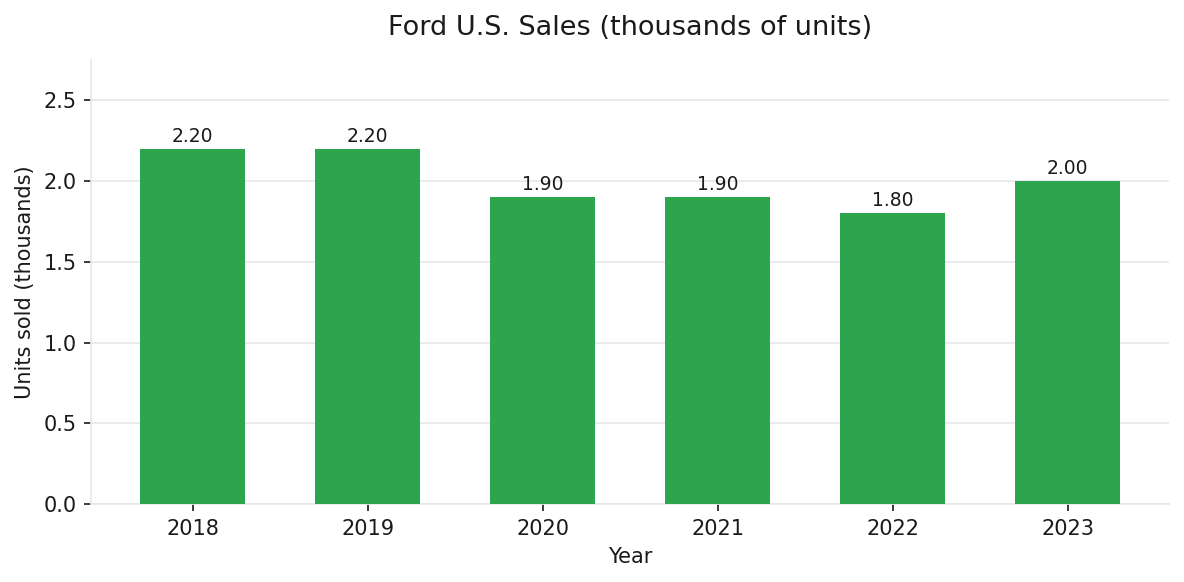
Despite the shift to electric, Ford remains a dominant force in the U.S. market, consistently ranking among the top automakers in terms of market share. Ford's ability to innovate and adapt while maintaining its core values has been pivotal to its continued success. Key milestones include the continued popularity of its SUVs and the successful revival of the iconic Bronco, which has captured the imaginations of adventure-seekers once again.
Why VIN History Matters for Ford Buyers
When purchasing a used Ford truck or SUV, conducting a VIN history check is crucial. These vehicles are highly sought after, often leading lives as fleet or work vehicles, which can mean extensive wear and tear. Older SUVs, in particular, have been associated with rollover concerns, making it important to understand the vehicle's past. A VIN history can provide insights into previous ownership, accident history, and any reported maintenance, helping buyers make informed decisions and avoid potential pitfalls.